

What Actually Makes a Wine Good?
A $20 bottle can outclass a $100 one. Quality in wine isn't about price or even great grapes. It comes down to balance, how well everything in the glass fits together.
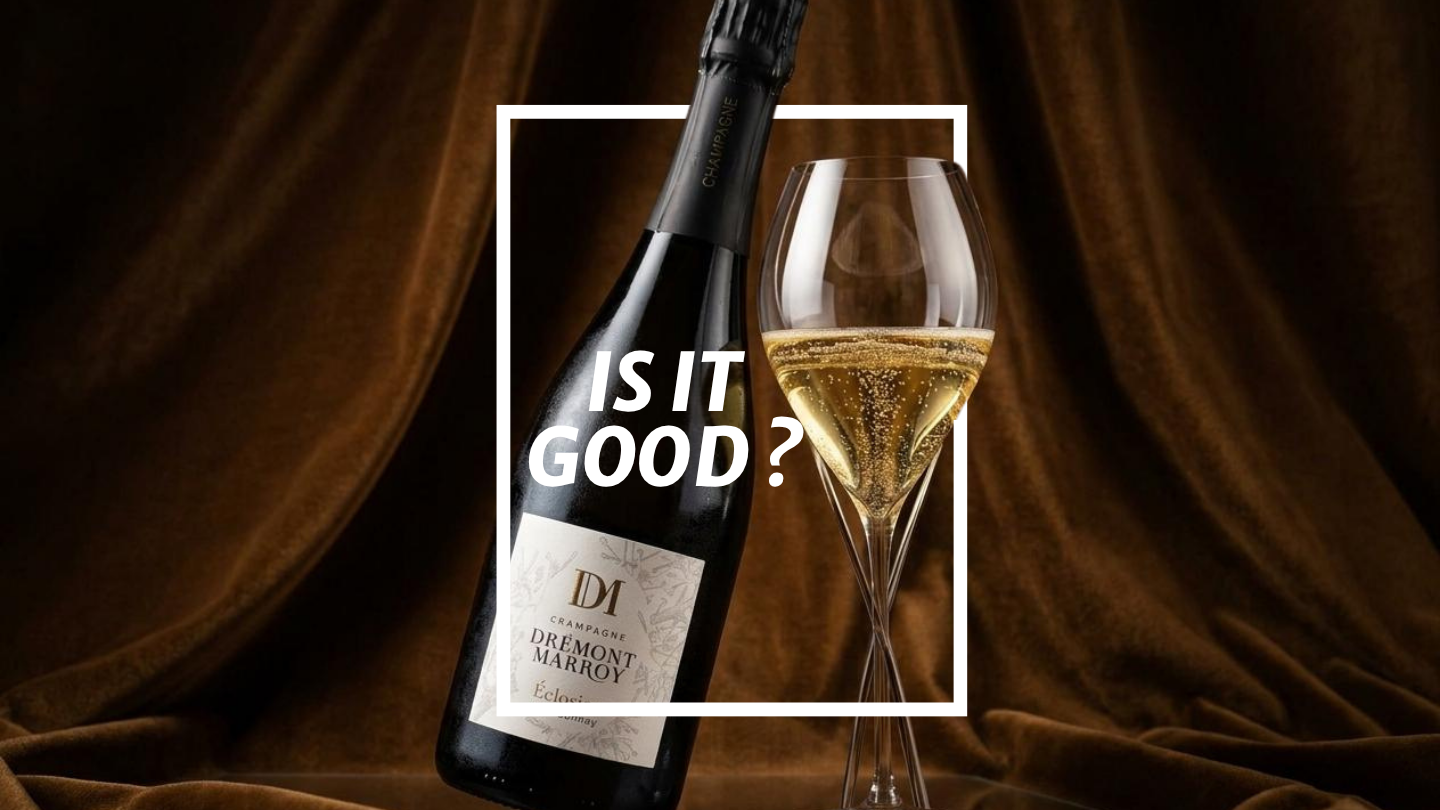
A $20 bottle can outclass a $100 one. That's because quality in wine isn't about price, or even great grapes. For a wine to be good it comes down to balance, and how well everything in the glass fits together. When the balance is right, a wine just works. When it's off, even the finest grapes can't save it.
Key takeaways
Every wine is built from the same six elements, no matter the price.
Winemakers shape those elements through hundreds of choices, from when to pick to how to age.
Good, comes down to balance, and how well the parts fit together. No single one should dominate.
Price is a poor guide. In blind tastings, people don't reliably prefer the pricier wine.
You can test a wine's quality yourself.
What is wine actually made of?
Every wine, from a $10 Prosecco to a $300 Champagne, is built from the same six elements: water, alcohol, sugar, acid, phenolic compounds, and aroma compounds. That's it. The last two sound technical, but they're simple. Those compounds make up a wine's color, texture, scents and flavors. Wine is mostly around 85% water with alcohol making up most of the rest. Only a tiny percent is everything else, and that small percentage is what separates one wine from thousands of others.
So why does every wine taste different?
It sounds simple, but each element is affected by climate and choice. From growing to harvest, through fermentation, aging, and bottling, a winemaker makes hundreds of decisions. When to pick the grapes? How long to ferment? What vessel to age in? Every choice shapes the core elements in some way. Winemakers are true artists, and these choices are their color palette.
So what actually counts as good?
Balance (it’s not the only thing but it’s the key). It's how well all the elements come together in the bottle. Acidity should lift the fruit, not bury it, and alcohol should not burn. The bubbles are ideally fine and persistent rather than aggressive, and any sugar should round out the wine instead of masking any faults. When one part overpowers the rest, the wine tips out of balance, and quality slips.
Why can a cheap bottle beat an expensive one?
Think of cooking. You can start with the best ingredients and still ruin a dish by oversalting it or leaving it on the heat too long. Wine is no different. A producer can have exceptional grapes from the best vineyard, but with poor decisions in the cellar, throw the wine off balance. It goes the other way too. A modest bottle made with care can easily beat a famous one. There's even research behind this. In a study of more than 6,000 blind tastings, people without wine training, on average, didn't enjoy pricier bottles more. Price has a say, but it doesn't get the final word and too often reflects things other than a wine's quality.
How can you test a wine's quality yourself?
Here's a simple test you can do at home. Pour a glass and let it sit until it goes flat and warm. A well-made wine still tastes good without them. A weaker one falls apart. The bubbles and the cold can prop up a mediocre wine, but once they're gone, the truth is revealed. Here’s a great example for this. Pour a little of a Sparkle-ist champagne in one glass and a grocery store bought Cava or Prosecco, in another glass. Taste them both fresh, then let them sit and you’ll see.
So how do you choose what goes in the box?
When I taste and select for your monthly selections, balance is the first thing I'm after, followed by complexity, and always from smaller producers farming sustainably. That's the short version. The full how and why of picking each bottle is its own story, and I'll get into it in a separate post.
You don't need to identify what makes a wine balanced to enjoy it. You just know when something tastes right, when it's easy to drink, when you reach for another glass without thinking about it, and the bottle is empty before you realize it. That's a good bottle, and that's what earns a place in your box.
A couple of common questions
Does a more expensive wine taste better?
Not reliably, and less often than you might think. Price reflects a lot of things, scarcity, prestige, marketing costs and more that may have little to do with what's in the bottle.
Short version: What does it mean for a wine to be “balanced”?
That no single part stands out for the wrong reasons. The acidity, fruit, alcohol, and any sugar or bubbles are all in harmony instead of fighting each other. You don’t need to think about it, you just feel it. A balanced wine goes down easy and leaves you wanting another sip.