

Is Organic or Biodynamic Wine Actually Better?
Most of the producers we select farm organically or biodynamically. Here's what major studies actually found about quality.
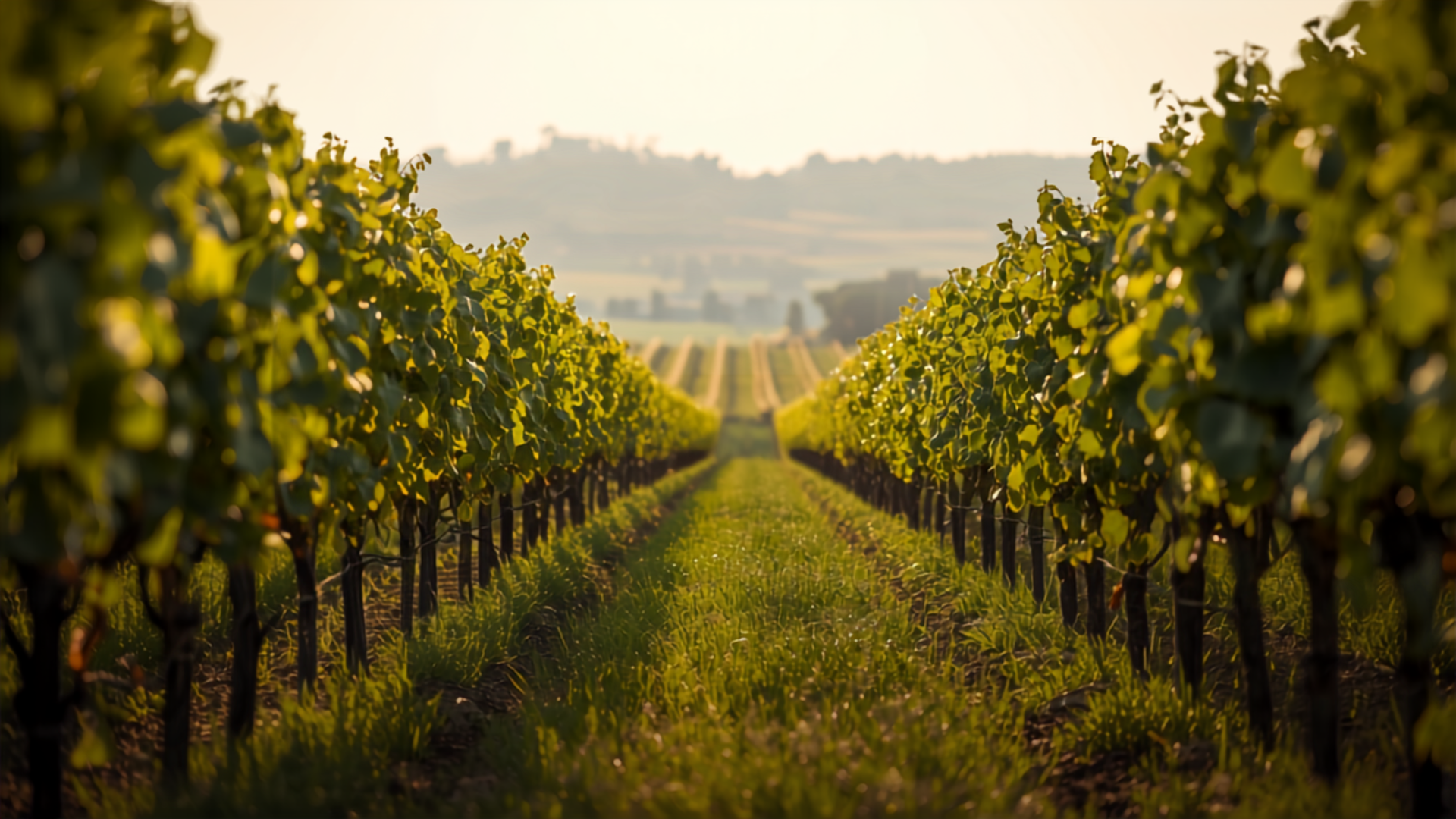
Sustainable farming practices are an important part of what I look for when selecting bottles for our monthly selections, and many of our producers farm organically or biodynamically. My honest answer on whether that makes for better wine is, yes. BUT, the real question is whether the wine is better because it’s organic or could it be something else entirely.
Key Takeaways
Organic and biodynamic farming both cut out chemicals and synthetics in the vineyard and cellar. Biodynamic adds lunar and seasonal timing and other details, on top.
Two major studies, one covering 74,000 California wines and one covering 128,000 French wines, found organic and biodynamic bottles scoring higher than conventional ones by roughly 4% to 10%.
Producers who farm this way have no chemical shortcuts
For a lot of growers, better wine isn't even the goal. Passing on healthy, productive land to their kids is.
Attention and effort are key drivers in quality.
What does organic and biodynamic farming actually mean?
Organic and biodynamic farming both mean cutting the use of chemicals and synthetics from the vineyard and the production process. Biodynamic goes a step further, with lunar and seasonal timing for when to prune, harvest, and treat the vines. There are plenty more details to each practice that we’ll get into with another post later on. For now, we’ll focus on the results of the finished wine.
What does the research actually say?
Two large studies spanning many years have been done. One American, one French. UCLA researchers scored 74,000 California wines against ratings from major critics and found organic and biodynamic bottles rated around 4% to 6% higher than conventional ones. A separate study out of France, covering 128,000 wines judged by the country's top wine guides, found similar results, with biodynamic wines sometimes scoring as much as 10% higher. Different countries with different judges and different, but with very similar patterns.
Why would practicing organic or biodynamic make better wine?
My view is simple. An organic or biodynamic producer can't spray their way out of trouble or rely on synthetic fertilizer to cover up any poor decisions in the vineyard. Every step of the process from growing the grapes to corking the bottle receives meticulous attention. It takes a lot more effort than with conventional farming, and there's no chemical shortcut available to bail anyone out.
It's worth knowing that the majority of producers using organic or biodynamic practices never even mention it on the bottle’s label. The California study found about two-thirds of certified organic winemakers skipped mentioning it on the bottle. Being officially certified, especially in France, takes years and is an expensive process. For most producers it’s not important to them to have a title, because it’s not about marketing or promotion. It’s about the wine, the land and their families.
Is better wine even the goal?
For a lot of these producers, better quality wine isn’t why they made the switch in the first place. It's about future generations and passing on to their kids and grandkids land that remains healthy and productive. Better wine is often more the side effect and a bonus of the decision to practice sustainably, not the goal of it.
So, is it actually better?
Can I prove the wine in your glass is better because the producer is organic or biodynamic? No. What I can tell you is I've seen firsthand the considerable time, effort and dedication it takes. When a producer puts that level of effort and attention into their work from start to finish, that, more than any certification, is bound to make a better wine.
A couple of common questions
Is biodynamic wine better than organic wine?
The research leans in that direction. In the French study, biodynamic wines scored higher on average than organic ones, but both beat out conventionally farmed wine.
Does organic or biodynamic wine cost more to make?
Yes, generally. There’s much more manual labor and no chemical shortcuts leaving a greater risk of lower yields. These increased costs add up, which is why the decision to farm this way is rarely about profit.