

Why You Should Ditch the Champagne Flute
The flute is the most recognizable symbol in the sparkling wine world, and it's also the worst glass to drink from. Here's why producers don't use them and what to reach for instead.
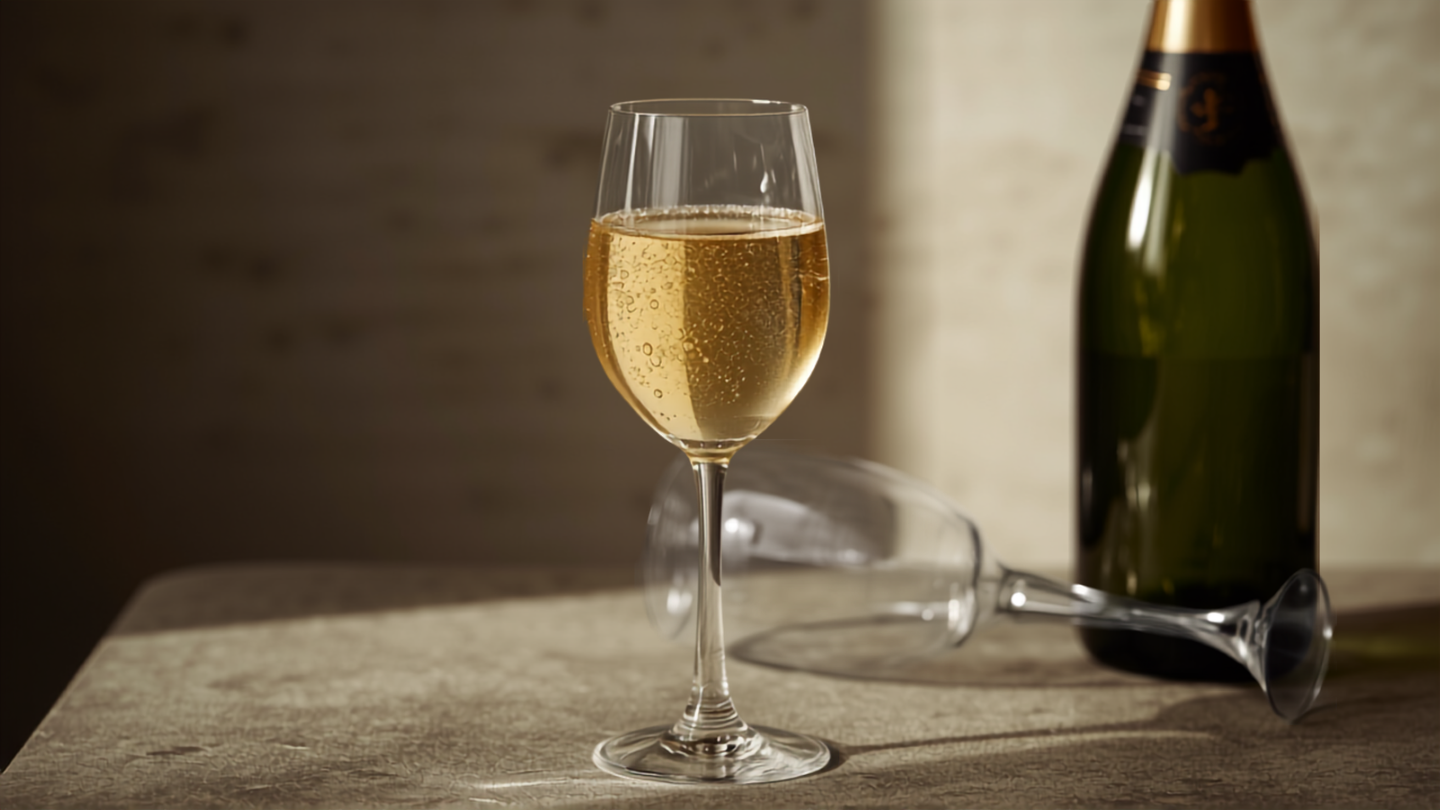
The flute is the most recognizable symbol in the sparkling wine world, and it's also the worst glass to drink from.
Key takeaways
Flutes preserve bubbles but restrict aromas and flavor.
A wider bowl lets a wine open, evolve, and show you what the winemaker wants you to taste.
The producers themselves don't drink from flutes. That should tell you something.
Try it side by side and you'll wonder why you ever used one.
The only real argument for the flute is that it looks good. That's not a reason to use it.
Why do we even have flutes?
The flute became the default in the 18th century, when sparkling wine was gaining real popularity and showing off the bubbles was the whole point. Back then, the bubbles were the novelty. The tall, narrow shape kept them rising in a neat column, which was visually striking. Nobody was thinking so much about aromas and quality.
For mass-produced, relatively simple sparkling wines, the flute is fine. It showcases the bubbles. The problem is when it becomes the default glass for everything sparkling.
What does the flute actually do to your wine?
With the flute's narrow opening you get one concentrated narrow channel of whatever is in the glass. For a wine with sharp, simple bubbles, a mimosa or French75, that works. For a wine with layers of apple, brioche, citrus zest, chalk, and stone fruit, you're missing out. Have you ever, now or as a kid, held your nose when eating something you don't like? It mutes the flavor of the food enough to eat it. A flute will do the same thing to a good champagne.
But you don't have to take my word for it. When visiting Champagne, pay attention and you'll see it. No Champagne producer or champagne tasting room will serve you with a flute. That should be all the proof needed. When a winemaker is tasting a cuvée to decide whether it's ready, or pouring for friends, they use a white wine glass or a champagne tulip. The flute is a product of marketing but not what's best for the product.
What does a wine glass actually do?
Pour the same bottle into both glasses. Smell and sip each one. Wait ten minutes and do it again. The flute will give you bubbles and not much else. The wine glass will allow you to experience the wine. The better the bottle, the bigger the gap between them. It can really seem like drinking two different wines. Remember, at it's core, champagne is wine, and like a good wine it will evolve in a glass. This isn't being snobby about wine. It's just about wanting you to have the best experience with your bottles.
What about the bubbles?
A wider glass will make bubbles dissipate a little faster as more surface area means a bit more CO2 escaping. However with any quality sparkling, the bubbles will stay persistent enough in a white wine glass and will become part of the texture of the wine rather than the main focus. When you taste a Champagne that you give room to breathe, the reason to ditch the flute becomes obvious.
So what glass should you use?
The white wine glass on your shelf right now will do a better job than any flute.. It doesn't have to be fancy or expensive. There are champagne tulips that can seem a little like a cross between a wine glass and a flute. A tulip shape means the bottom is wider, giving the wine room to breather and then it tapers in at the rim to concentrate the aromas.
A quick FAQ
Isn't the flute at least good for looking elegant? Yes, it looks pretty and it's festive. I won't tell you not to use one for a toast, or when you're not particularly focused on what's in the glass, but when you actually want to taste the wine, reach for something wider.
What about the coupe, the martini style glass? The coupe is fun, with its roaring twenties, Great Gatsby image. It's great for champagne towers, but practically useless for tasting. It's the exact opposite of a flute as the wide, shallow bowl lets aromas escape immediately.
Does glassware really matter that much? Yes, but not as a luxury. It's more like choosing the right tool for the job. You can eat soup with a teaspoon, but a soup spoon works better. A better glass just means a better experience. Try the side-by-side test and decide for yourself. Then let me know how it goes.