

How to Store Your Bubbles
Bad storage can wreck a good bottle faster than you'd expect. Keep sparkling wine dark, cool, and steady, and a closet does the job.
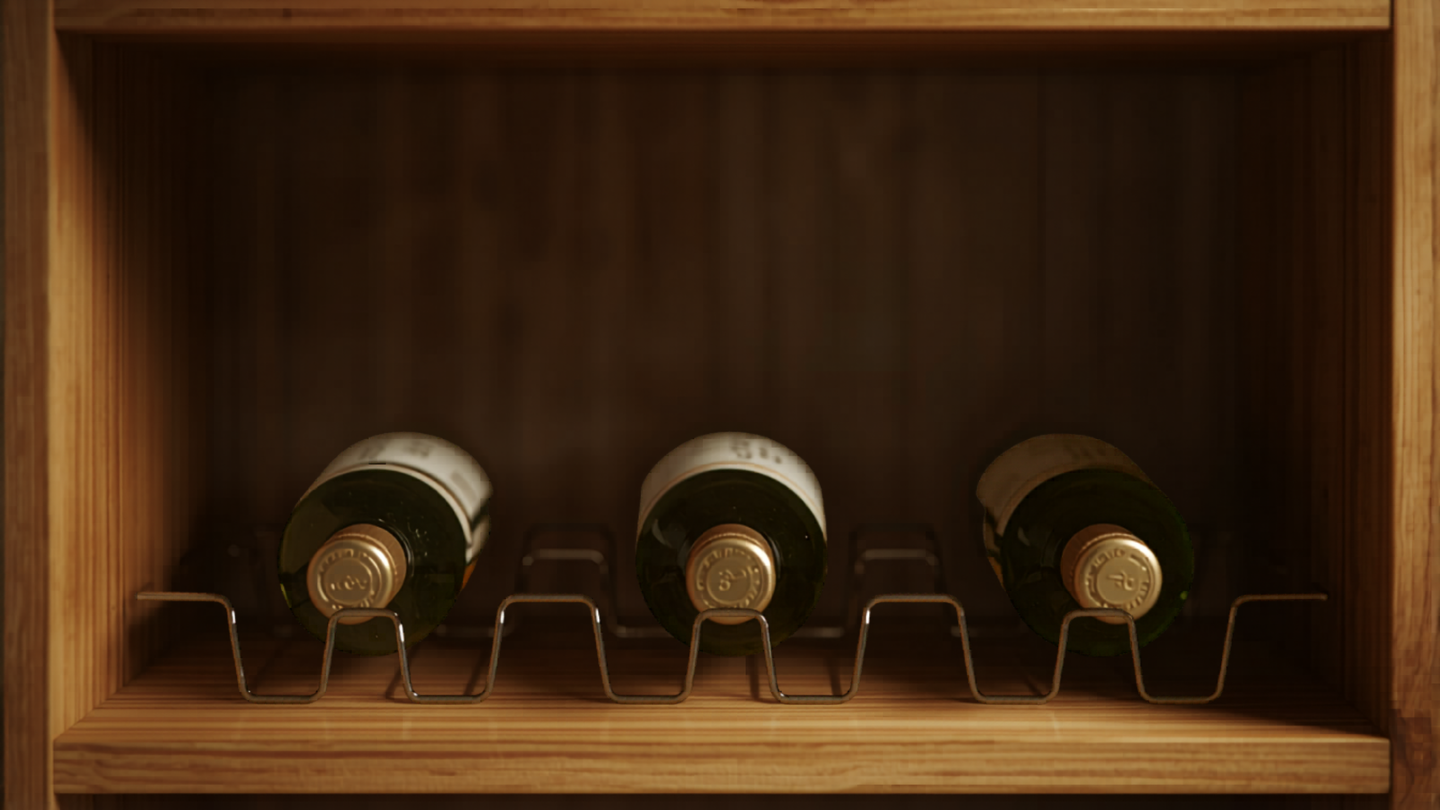
Bad storage can ruin a good bottle faster than most people expect, and once it's damaged, what you paid stops mattering. Two key things protect sparkling wine while it waits: keep it dark, and keep it cool and steady. Get those right and your bottles will thank you. Get them wrong and even a great bottle won't show you what it can do.
Key takeaways
Light damages sparkling wine, and sunlight is the worst offender. Dark is better.
Steady temperature matters more than hitting an exact number. The kitchen is the worst room for it.
For one to two years, normal room temperature in the low 70s is fine.
For longer aging or your better bottles, a wine cooler set between 55 and 65°F is worth it.
Does storage really matter that much?
Yes, and quicker than you'd think. Poor conditions take a toll in a surprisingly short time. It also goes both ways. Bad storage brings down a high-quality wine, and careful storage helps an average one hold up far longer than it might have. Where you keep a bottle can matter as much as what's in it.
Isn't it all about temperature?
That's where everyone starts, but light is a culprit nobody talks about. Sparkling wine is especially sensitive to it. Sunlight does the most harm, though bright indoor lighting adds up too. The darker the spot, the better. It's why clear bottles are often wrapped in orange cellophane. That wrap is sunscreen for the wine. Left in the light too long, a bottle can pick up an off aroma, a flaw known as light strike.
Where should you keep them?
The coolest part of your home, away from anything that runs hot and cold. The kitchen is the worst place, because what damages wine the quickest isn't heat on its own. It's the fast, frequent temperature swings that come with cooking, and please don't get me started on bottles on top of the refrigerator. A quiet corner, an interior closet or a shaded wall beats a pretty rack by the window every time.
How long are you holding on?
Match the effort to the timeline. For short-term storage of one to two years, normal room temperature is fine as long as it stays in the low 70s. For extended aging, or to protect your higher-end bottles, you'll want a wine cooler holding steady between 55 and 65°F. A cooler also keeps the air from getting too dry, which starts to matter once bottles sit for years. You don't need to spend much. Wine fridges of every size show up on Facebook Marketplace constantly.
None of this takes a cellar. A dark closet on an interior wall does most of the work for free, and a secondhand fridge handles the rest. The bottle's already good. Storing it right just keeps it that way until you pour it. Bonus with a wine cooler, 55º is a good temperature to open a champagne or full bodied white.
Just remember, storage has its limits. The best setup in the world won't save a prosecco that's been sitting around for two years. Most wines, sparkling and still, are meant to be enjoyed soon after release, and only a few are built to age. Not sure which of yours can wait? Our guide to how long sparkling wines actually last has tips to learn what to hold and what to open this weekend.
A couple of common questions
Can I keep it in the fridge?
Fine for the few days or weeks before you drink it. Not for months. Your fridge runs dry, hums with vibration, and sits colder than wine wants for the long haul. For anything beyond a short stay, the dark closet, corner or a wine cooler treats it better.
How fast can bad storage actually hurt a bottle?
Faster than people expect. Direct sun can damage a wine in as little as an hour. A kitchen that warms up every time the oven's on, can flatten a wine before you ever pull the cork.